Pay in installments of $7.04 with
 ,
,
 and
and

Shipping Estimate
USA
- USA
- CAN
- USA
- CAN
Ships within 48 hours · Estimated delivery Jul 2 - Jul 7
 Promo Codes Available:
For Your Every Summer RSVP, with Code: SUMMER15
Description
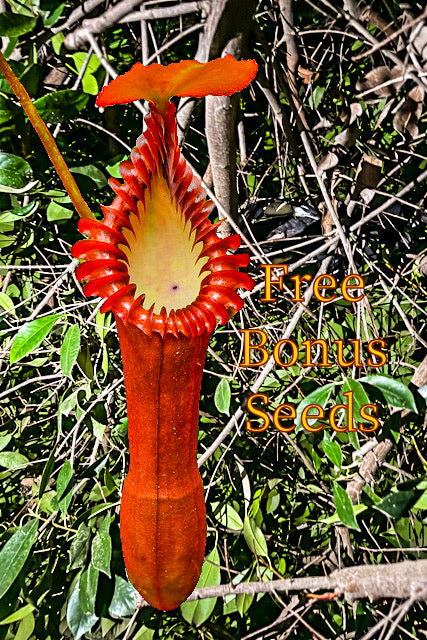
pitcher plant seeds for sale (Limited Supply)50 Nepenthes Edwardsiana Seeds + 10 Bonus Mystery seedsContents 50 Nepenthes Edwardsiana Seeds 10 Bonus Mystery Seeds 1. Habitat and Basic Requirements Nepenthes edwardsiana originates from high altitude tropical forests (1,5002,400 meters above sea level). These regions have cool days, even cooler nights, and consistently high humidity. Replicating these conditions is critical. 2. Growing Conditions a. Temperature Daytime temperatures: 2025C (6877F) Nighttime temperatures: 1015C (5059F) The temperature
Contents
50 Nepenthes Edwardsiana Seeds
10 Bonus Mystery Seeds
1. Habitat and Basic Requirements
Nepenthes edwardsiana originates from high-altitude tropical forests (1,500–2,400 meters above sea level). These regions have cool days, even cooler nights, and consistently high humidity. Replicating these conditions is critical.
2. Growing Conditions
a. Temperature
• Daytime temperatures: 20–25°C (68–77°F)
• Nighttime temperatures: 10–15°C (50–59°F)
• The temperature drop at night is essential for its growth, as it mimics its natural highland environment.
b. Humidity
• Aim for 70–90% relative humidity, particularly during the day.
• Humidity can be maintained using humidifiers, misting systems, or terrarium setups.
c. Light
• Bright, indirect light is ideal.
• 12–14 hours of light daily is recommended for healthy growth.
• Use grow lights (like LED or fluorescent) if natural light is insufficient. Look for a spectrum balanced for plant growth (6,500K).
d. Air Circulation
• Good airflow is essential to prevent mold and other fungal issues.
• Use small fans to circulate air in enclosed setups like terrariums or greenhouses.
3. Media and Potting
a. Growing Medium
Nepenthes edwardsiana thrives in airy, well-draining media. A standard mix includes:
• 50% long-fibered sphagnum moss (primary component)
• 30% coarse perlite or pumice
• 20% orchid bark or tree fern fiber
• Optionally, add some activated charcoal to improve drainage and prevent rot.
b. Potting
• Use a deep pot with excellent drainage to accommodate the plant’s root system.
• Avoid compacting the medium; keep it loose and airy.
c. Repotting
• Repot every 1–2 years or when the medium starts breaking down.
• Be gentle with the roots, as Nepenthes have sensitive root systems.
4. Watering
a. Water Quality
• Always use distilled, reverse osmosis (RO), or rainwater to prevent mineral buildup.
• Avoid tap water unless it has been tested and shown to have very low dissolved solids (under 50 ppm).
b. Frequency
• Keep the growing medium moist but not soggy. Allow the top layer to slightly dry out before rewatering.
• Avoid standing water in the tray to prevent root rot.
5. Feeding and Fertilizing
a. Natural Feeding
• Nepenthes are carnivorous and benefit from occasional feeding.
• Offer small, live insects like flies or crickets (1–2 every few weeks). Do not overfeed, as this can harm the plant.
b. Fertilizing
• Optional but beneficial for growth:
• Use a diluted (1/4 strength) orchid fertilizer or urea-free fertilizer.
• Apply directly to the roots or as a foliar spray (avoid pitchers to prevent overloading them).
6. Dormancy and Growth Cycle
Nepenthes Edwardsiana does not undergo dormancy but may slow down in growth during the cooler months. Continue providing consistent conditions.
7. Common Issues and Troubleshooting
a. Pitcher Production
• Lack of pitchers is often due to low humidity, insufficient light, or poor temperature regulation.
• Ensure conditions are consistent and conducive to pitcher formation.
b. Browning or Drying Leaves
• Overwatering or low humidity could be the culprit. Check the growing medium and humidity levels.
• Root rot can also cause decline; inspect roots for health during repotting.
c. Pest Issues
• Aphids, mealybugs, or fungus gnats may occasionally target your plant. Treat with neem oil or insecticidal soap if pests are observed.
8. Advanced Tips
a. Terrarium Setup
• If you live in an unsuitable climate, a temperature-controlled terrarium is the best option. Equip it with:
• High-quality grow lights
• A humidifier or misting system
• Fans for airflow
• Temperature controllers for day/night fluctuation
b. Outdoor Growing
• In tropical highland climates, you may grow Nepenthes edwardsiana outdoors under shade cloth for filtered light. Ensure high humidity and cool night temperatures.
c. Patience
• Nepenthes edwardsiana is slow-growing, especially when young. It may take several years for the plant to reach maturity and produce its iconic large pitchers.
9. Propagation
• Typically propagated via seeds or cuttings.
• Seeds are challenging and require sterile conditions to germinate.
• Cuttings are more straightforward but require high humidity and stable temperatures to root successfully.
Shipping Notes
- Free Standard Shipping on $100+ Orders to the USA.
- Except Preorder products are shipped in 48 hours.
- Delivery to the USA:
- Standard Shipping : 3-10 business days
- If time is of the essence, please consider selecting expedited delivery for faster service.
Exchange/Return Notes
- We offer a 30-day return/exchange service after receiving.
- Final sale items are not eligible for returns or exchanges.
- To process your return/exchange, please contact us at [email protected]
- Please click here for more details>>> Return & Exchange Policy